Reservoirs are pressure-rated tanks, which hold a supply of compressed air until required for braking or operating auxiliary air systems. They must store a sufficient volume of air to allow several brake applications if the engine stops or the compressor fails.
The maximum air pressure available for brake applications depends on how much air is in the reservoir. A driver is not able to make a higher pressure brake application than there is air pressure in the reservoir.
Each reservoir is equipped with a drain valve called a draincock (Fig. 9). Fully opening the draincock allows reservoirs to be drained of moisture and other contaminants that build up in the system. All reservoirs must be completely drained once a day when in use.
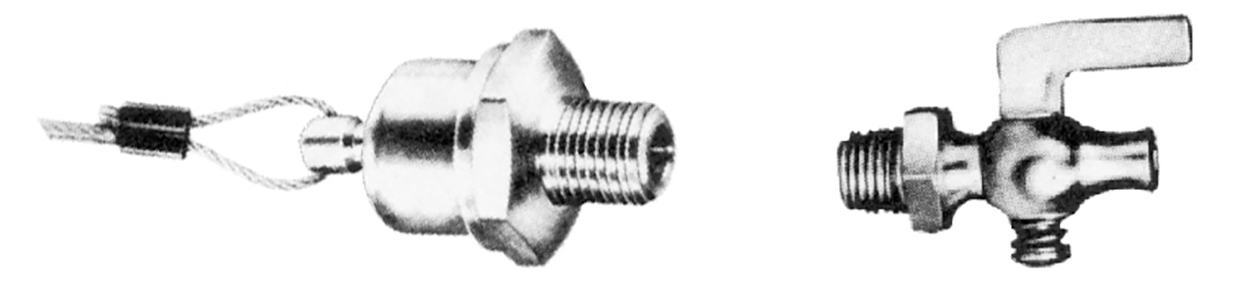
Figure 9. Typical reservoir drain valves